25 Fun Summer Camp Activities to Do at Home

25 Fun Summer Camp Activities to Do at Home

Elvine Assouline - Founder

Table of Contents

Summer is a time of joy, freedom, and adventure for children. It’s a time when the constraints of the school year fall away, and the days stretch out, full of possibility. One of the best ways to fill those days is with fun, engaging, and educational summer camp activities. And the good news is, you don’t need to send your kids away to camp to enjoy these activities -many can be done right at home! Here are 25 fun summer camp activities to do at home, inspired by the creative solutions offered by The Fun Master, an event agency specializing in kids’ entertainment.

1. Outdoor Word Game for Kids

Word games are not only fun but also educational. They help children improve their vocabulary and spelling skills. You can set up a large-scale Scrabble game in your backyard using cardboard squares with letters. This interactive game will keep your kids engaged and learning, all while having fun.

2. Spray Painting

Unleash your child’s inner artist with a spray painting activity. All you need are some plain white t-shirts and cans of colored spray paint. This activity encourages creativity and self-expression. Plus, your child will have a unique t-shirt to wear once they’re done!

3. Outdoor Twister

Twister is a classic game that’s great for improving balance and flexibility. You can easily create your own outdoor Twister game using colored spray paint on the grass. This game is not only fun but also a great way for kids to improve their hand-eye coordination.

4. The Maze

Creating a maze can be a fun and challenging activity for kids. You can use items like string, chalk, or even garden hoses to create a maze in your backyard. This activity encourages problem-solving skills and can be a fun way for your kids to exercise.

5. The Minute To Win It Game

Minute to Win It games are quick, fun, and exciting. They can range from balancing a ball on a spoon to stacking cups. These games are great for teaching kids about time management and focus, all while having a blast.

6. Art and Craft

Art and craft activities are a great way to keep kids busy and engaged. They can make cards, create their own jewelry, or even build models. These activities not only foster creativity but also help improve fine motor skills.

7. Hats From Paper Plates

This is a fun and creative activity that only requires paper plates and some decorating supplies. Kids can design their own hats and then wear them for a fun photoshoot. This activity encourages creativity and can be a great way for kids to express their personal style.

8. Kids Mini Olympics

Organizing a mini Olympics is a great way to get kids active and competitive. You can include a variety of events like running races, long jump, and even a relay race. This activity is not only fun but also helps kids improve their athletic skills and learn about sportsmanship.

9. Parachute Games For Child

Parachute games are a fun and interactive way to keep kids entertained. You can use a large sheet or a parachute if you have one. There are many games you can play, like parachute tag or parachute ball. These games are great for teamwork and coordination.

10. Chalk Twister

Chalk Twister is a fun twist on the classic Twister game. Instead of a mat, you draw the Twister board on your driveway or sidewalk using sidewalk chalk. This game is a great way to get kids moving and can also help improve their balance and coordination.

11. Pool Noodle Javelin

This is a safe and fun way for kids to try outthe javelin throw. All you need are some pool noodles and a target. This game can help improve hand-eye coordination and is a great way for kids to burn off some energy.

12. Summer Camp Tug Of War For Kids

Tug of war is a classic game that’s great for building strength and teamwork. All you need is a rope and a group of kids ready for some fun. This game can be played in the backyard or even at a local park.

13. Bicycle Games

If your kids love riding their bikes, why not turn it into a fun summer camp activity? You can set up a bicycle obstacle course or organize a mini bicycle race. These activities not only provide great exercise but also help improve cycling skills.

14. Field Day

A field day is a great way to enjoy a variety of outdoor activities. You can include classic games like sack races and egg and spoon races, or try out new activities like water balloon toss or frisbee golf. A field day is a great way for kids to try out different activities and find new favorites.

15. Vista Camps

Vista camps are essentially mini-camps that you can set up in your own backyard. You can set up different stations for different activities, like arts and crafts, sports, and science experiments. This is a great way to keep kids engaged and entertained all day long.

16. Friendship Bracelets

Making friendship bracelets is a fun and creative activity that kids can do at home. All you need are some embroidery threads in different colors. This activity not only fosters creativity but also helps improve fine motor skills.

17. Stick Men

Stick men are a fun and simple craft that kids can do with items found in nature. All you need are some sticks and a little imagination. This activity encourages creativity and can be a great way for kids to connect with nature.

18. Leaf Crown

Making a leaf crown is a fun and simple activity that can be done after a nature walk. All you need are some leaves and some floral wire or string. This activity not only encourages creativity but also helps kids learn about different types of leaves.

19. Making a Compass

Making a compass is a fun and educational activity that can be done at home. All you need is a needle, a magnet, a bowl of water, and a piece of cork or foam. This activity not only teaches kids about magnetism and navigation but also encourages problem-solving skills.

20. Nature Hike Project

A nature hike project can be a fun and educational way to explore the great outdoors. Kids can collect different items from nature and then use them to create a nature collage or a nature journal. This activity encourages observation skills and a love for nature.

21. Bird-Feeder

Making a bird feeder is a fun and rewarding activity that kids can do at home. All you need are some bird seeds, a pine cone, and some peanut butter. This activity not only teaches kids about birds but also encourages empathy for animals.

22. Crayon Rubbing Art

Crayon rubbing art is a simple and fun activity that kids can do at home. All you need are some leaves or coins, some paper, and some crayons. This activity encourages creativity and can be a great way for kids to explore different textures.

23. Land Art

Land art is a creative activity that involves making art from natural materials. Kids can collect rocks, leaves, and sticks and arrange them into beautiful designs. This activity encourages creativity and a love for nature.

24. Stick Art

Stick art is a fun and simple activity that kids can do with items found in nature. All you need are some sticks and some paint or markers. This activity encourages creativity and can be a great way for kids to connect with nature.

25. Fence Art

Fence art is a creative activity that allows kids to express their artistic side on a large scale. All you need is some chalk or washable paint and a fence. This activity encourages creativity and can be a great way for kids to make their mark on their environment.

FAQs

How can I make summer camp fun?

Making summer camp fun is all about variety, creativity, and participation. Try to incorporate a mix of activities that cater to different interests and skill levels. This could include arts and crafts, sports, science experiments, and nature exploration. Encourage kids to try new things and express their creativity. Remember, the goal is not to win or to be the best, but to have fun and learn something new. If you’re looking for more ideas or need some help planning your at-home summer camp, The Fun Master offers a range of services and solutions to consider.

What games for indoor summer camp?

There are plenty of indoor games that can be just as fun and engaging as outdoor ones. Some ideas include scavenger hunts, board games, DIY escape rooms, and craft projects. You could also organize a movie day, a cooking class, or a science experiment session. If you’re looking for more unique and engaging indoor activities, consider The Fun Master’s at home escape games or virtual birthday parties for kids.

How do you make a camp at home?

Creating a camp at home can be a fun and rewarding experience. Start by planning a variety of activities that your kids will enjoy. This could include both indoor and outdoor games, arts and crafts, science experiments, and cooking classes. You could also set up a tent in your backyard to create a more authentic camp experience. Remember to include some downtime as well, for reading, drawing, or just relaxing. If you need some help or inspiration, The Fun Master offers a range of services and solutions to make your at-home camp a success.

Conclusion

In conclusion, summer camp activities at home can be just as fun and engaging as those at a traditional summer camp. These activities not only keep kids entertained but also help them learn new skills, explore their creativity, and connect with nature. Whether you’re planning a full summer camp at home or just looking for some fun activities to fill the long summer days, these ideas are sure to be a hit. And remember, if you’re looking for more ideas or need some help planning your at-home summer camp, The Fun Master is always here to help with a range of services like at home escape games and virtual birthday parties for kids. Happy summer!

Spread the word

Cooking Adventures: Exciting Recipes for Junior Chefs

Cooking Adventures: Exciting Recipes for Junior Chefs

 Looking for kid-friendly recipes that are both simple and fun? Check out these exciting cooking ideas for 7-12 year olds, guaranteed to ignite their culinary creativity. Get ready to embark on delicious culinary adventures!

Elvine Assouline - Founder

Table of Contents

Introduction

Cooking is not just a task reserved for adults; it can be an exciting and educational adventure for children as well. Involving kids in the kitchen from a young age not only teaches them valuable skills but also encourages creativity, independence, and a love for food. Whether it’s whipping up a batch of cookies or preparing a full meal, cooking with kids can be a delightful experience for the whole family. In this article, we will explore a variety of simple and fun recipes that are perfect for 7-12 year olds. So put on your aprons and get ready to embark on delicious culinary adventures!

What Should a 10-Year-Old Cook?

At the age of 10, children are more independent in the kitchen and can handle slightly more complex tasks. Here are some age-appropriate recipes that 10-year-olds can try:

Delicious Recipes for 10-Year-Olds to Try

Recipe 1: Mini Pizzas

Ingredients:

  • English muffins or small pizza dough
  • Tomato sauce
  • Shredded cheese
  • Assorted toppings (e.g., sliced vegetables, pepperoni, olives)

Instructions:

  1. Preheat the oven to 375°F (190°C).
  2. Slice the English muffins in half or roll out the pizza dough into small rounds.
  3. Spread tomato sauce on each muffin half or pizza dough round.
  4. Sprinkle shredded cheese over the sauce.
  5. Let your child choose their favorite toppings and add them to the mini pizzas.
  6. Place the mini pizzas on a baking sheet and bake for about 10-12 minutes, or until the cheese is melted and bubbly.
  7. Allow the pizzas to cool slightly before serving.

Remember to supervise your child when using the oven.

Recipe 2: Fruit Salad

Ingredients:

  • Assorted fruits (e.g., berries, melons, grapes, kiwi, pineapple)
  • 2 tablespoons of honey or a squeeze of fresh lemon juice (optional)

Instructions:

  1. Wash and prepare the fruits by cutting them into bite-sized pieces.
  2. Place the fruits in a large bowl.
  3. If desired, drizzle honey or a squeeze of fresh lemon juice over the fruits for added flavor.
  4. Let your child toss the fruits gently to mix them together.
  5. Serve the fruit salad in individual bowls or as a refreshing side dish.

Tip: You can turn fruit salad into a fun activity by hosting a “Fruit Fiesta” birthday party. Learn more about this exciting theme at Magical Birthday Parties for Kids.

Recipe 3: Grilled Cheese Sandwiches

Ingredients:

  • Bread slices
  • Cheese slices
  • Butter or margarine

Instructions:

  1. Heat a non-stick skillet or griddle over medium heat.
  2. Butter one side of each bread slice.
  3. Place a slice of cheese between two slices of bread, with the buttered sides facing outwards.
  4. Place the sandwich in the preheated skillet and cook for about 2-3 minutes on each side, until the bread is golden brown and the cheese is melted.
  5. Remove the sandwich from the skillet and let it cool slightly before cutting into halves or quarters.
  6. Serve the grilled cheese sandwiches with a side of soup or salad for a complete meal.

*Note: Remind your child to be careful when handling the skillet or griddle, as they can get hot during cooking.

What Food Can a 12-Year-Old Cook?

By the age of 12, children have developed more advanced cooking skills and can handle tasks that require some level of complexity. Here are a few delicious recipes that 12-year-olds can explore:

Exciting Recipes for 12-Year-Olds to Explore

Recipe 1: Tacos

Ingredients:

  • Hard or soft taco shells
  • Ground beef or shredded chicken
  • Taco seasoning
  • Assorted toppings (e.g., shredded lettuce, diced tomatoes, grated cheese, sour cream, salsa)

Instructions:

  1. In a skillet, cook the ground beef or shredded chicken until fully cooked.
  2. Drain any excess fat and add the taco seasoning according to the package instructions.
  3. Allow your child to assemble their own tacos by filling each taco shell with the meat mixture and their desired toppings.
  4. Serve the tacos with a side of rice or beans for a satisfying meal.

Reminder: When working with raw meat, ensure your child follows proper food safety guidelines, such as washing hands before and after handling raw meat, and avoiding cross-contamination.

Recipe 2: Pasta Salad

Ingredients:

  • Cooked pasta (e.g., penne, rotini)
  • Assorted vegetables (e.g, cherry tomatoes, cucumbers, bell peppers, olives)
  • Italian dressing or vinaigrette
  • Optional additions (e.g., feta cheese, diced ham, fresh herbs)

Instructions:

  1. Cook the pasta according to the package instructions, then rinse with cold water and drain.
  2. Chop the vegetables into bite-sized pieces.
  3. In a large bowl, combine the cooked pasta, chopped vegetables, and any optional additions.
  4. Drizzle the Italian dressing or vinaigrette over the pasta salad and toss gently to coat.
  5. Allow the salad to chill in the refrigerator for at least 30 minutes before serving.

Tip: Pasta salad can be a great option for kid-friendly weddings or other special events. Find out more about our Kid-Friendly Weddings solution to make the celebration truly memorable.

Recipe 3: Smoothie Bowl

Ingredients:

  • Frozen fruits (e.g., bananas, berries, mango)
  • Yogurt or milk (dairy or plant-based)
  • Optional toppings (e.g., granola, fresh fruits, shredded coconut, chia seeds)

Instructions:

  1. In a blender, combine the frozen fruits and a splash of yogurt or milk.
  2. Blend until smooth and creamy, adding more liquid as needed.
  3. Pour the smoothie into a bowl.
  4. Let your child get creative by adding their favorite toppings to the smoothie bowl.
  5. Enjoy the smoothie bowl with a spoon and savor the delicious flavors.

Did you know? We offer virtual birthday parties for kids, including live Zoom calls with Santa. Discover more about our exciting options at Virtual Birthday Party for Kids.

How to Make Meals Fun for Children?

Mealtime can be transformed into an enjoyable experience for children with a little creativity and involvement. Here are some tips to make meals exciting:

Creative Ways to Make Meals Exciting

Create a Theme

Introducing a theme to mealtime can make it more engaging and memorable for children. Consider aligning the meal with their interests or favorite characters. Use themed decorations, table settings, and even encourage dressing up in costumes to create a complete experience. For example, a superhero-themed dinner could feature “super-powered” vegetables and “heroic main courses. The Fun Master can help you bring these themes to life with their specialized themed parties for kids, such as Magical Birthday Parties or Family Day events.

Get Crafty with Food

Turn mealtime into a creative adventure by involving children in food crafts. Encourage them to design edible sculptures using fruits, vegetables, and other ingredients. They can also create food art by arranging different colored fruits and vegetables to form beautiful patterns or pictures. Another fun idea is to make personalized food labels for each dish, giving them unique names and descriptions. For a truly interactive and engaging experience, you can explore the Escape Game option offered by The Fun Master.

Make it a Family Affair

Involving the whole family in meal planning and preparation can make it a collaborative and enjoyable experience. Assign roles and responsibilities to each family member, allowing everyone to contribute to the meal. This not only teaches children valuable cooking skills but also strengthens family bonds. Additionally, The Fun Master offers corporate events and team-building activities that can be tailored to include cooking challenges and culinary adventures. Check out their offerings at Corporate Events.

FAQs

What should a 10-year-old cook?

 10-year-olds can try their hands at simple yet delicious recipes such as mini pizzas, fruit salad, and grilled cheese sandwiches. These recipes provide an opportunity for them to learn basic cooking techniques and explore different flavors. Remember to provide age-appropriate tasks and supervise their activities in the kitchen.

What food can a 12-year-old cook?

12-year-olds can expand their culinary skills and try more complex recipes. Tacos, pasta salad, and smoothie bowls are great options for them to explore. These recipes allow them to experiment with flavors and practice their cooking techniques with a bit more independence. Encourage them to follow recipes, handle ingredients safely, and embrace their creativity.

How can you make meals fun for children?

To make meals fun for children, you can create a theme around the meal, involving decorations, table settings, and costumes. Additionally, incorporating food crafts, such as designing edible sculptures or food art, can spark their creativity. Lastly, making mealtime a family affair by involving everyone in meal planning and preparation fosters togetherness and creates lasting memories.

Conclusion

Cooking with children is not only a practical skill-building activity but also a chance to nurture their creativity and develop a love for food. By introducing them to simple and fun recipes, we empower them to explore their culinary abilities and embrace the joy of cooking. The Fun Master offers a wide range of services and events, from magical birthday parties to virtual experiences, to make every occasion truly special. So, let’s embark on these delicious cooking adventures with our junior chefs and create memorable moments in the kitchen!

Spread the word

How to Prepare Your Kids for a New School Year: Unlocking Success and Fun!

How to Prepare Your Kids for a New School Year: Unlocking Success and Fun!

Prepare your kids for a new school year with confidence! Discover essential tips, advice, and fun activities to ensure a smooth transition. Learn how to foster a positive mindset and explore exciting back-to-school supplies. Find out how The Fun Master kid event agency in Toronto can add an extra touch of excitement to this memorable journey.

Elvine Assouline - Founder

Table of Contents

Introduction

The beginning of a new school year is a significant milestone in every child’s life. Whether they are entering a new school or returning to familiar halls, the anticipation and nervousness can be overwhelming. As a parent or guardian, it’s crucial to provide guidance and support during this transitional period. In this comprehensive guide, we will delve into the essential steps to prepare your kids for a successful new school year. From practical tips to fostering emotional well-being, we’ll cover it all. Let’s embark on this exciting journey together!

Building a Positive Mindset for a New School Year

Starting the school year with a positive mindset is essential for your child’s overall well-being and success. Here are some strategies to help foster a positive mindset:

1. Encouraging a Growth Mindset

  • Teach your child the power of a growth mindset, where they believe their abilities can be developed through effort and practice.
  • Encourage them to view challenges as opportunities for growth and learning.
  • Praise their efforts and progress, rather than solely focusing on outcomes.

2. Practicing Gratitude

  • Help your child develop an attitude of gratitude by regularly expressing appreciation for the positive aspects of their school experience.
  • Encourage them to keep a gratitude journal, where they can write down things they are grateful for each day.
  • Discuss the importance of recognizing and celebrating their own strengths and achievements.

3. Promoting Self-Confidence

  • Support your child in building self-confidence by acknowledging their strengths and encouraging them to embrace new experiences.
  • Encourage them to set realistic goals and celebrate their accomplishments along the way.
  • Remind them that everyone makes mistakes and that setbacks are opportunities for learning and growth.

Creating a Homework Routine for Success

Establishing a consistent homework routine is crucial for academic success. Here’s how you can help your child create an effective homework routine:

1. Designating a Study Area

  • Set up a quiet and well-lit study area that is free from distractions.
  • Provide necessary supplies, such as pens, pencils, paper, and a dictionary.
  • Ensure the study area is comfortable and conducive to focused work.

2. Setting a Homework Schedule

  • Help your child establish a consistent homework schedule that aligns with their energy levels and other commitments.
  • Break down larger tasks into smaller, manageable chunks to avoid overwhelm.
  • Encourage them to start with the most challenging assignments when they are most alert and focused.

3. Encouraging Time Management

  • Teach your child effective time management techniques, such as creating to-do lists or using digital tools.
  • Help them prioritize tasks based on deadlines and importance.
  • Encourage regular breaks to prevent mental fatigue and maintain productivity.

Encouraging Healthy Habits for a Productive School Year

Promoting healthy habits is essential for your child’s overall well-being and academic performance. Here are some tips to encourage healthy habits:

1. Nourishing Meals and Snacks


  • Provide nutritious meals and snacks that fuel your child’s energy and concentration.
  • Involve them in meal planning and preparation to encourage healthy eating habits.
  • Discuss the importance of balanced meals that include fruits, vegetables, whole grains, and lean proteins.

2. Regular Physical Activity

  • Encourage your child to engage in regular physical activity to support their physical and mental well-being.
  • Find activities they enjoy, such as sports, dancing, or bike riding, and incorporate them into their daily routine.
  • Emphasize the benefits of exercise for concentration, stress reduction, and overall health.

3. Sufficient Sleep

  • Establish a consistent sleep schedule that allows for an adequate amount of sleep based on your child’s age.
  • Create a relaxing bedtime routine to help them wind down before sleep.
  • Educate them about the importance of quality sleep for memory consolidation and overall cognitive function.

Effective Communication with Teachers and School Staff

Building a positive relationship with teachers and school staff is vital for your child’s educational journey. Here’s how you can foster effective communication:

1. Attend Parent-Teacher Meetings

  • Actively participate in parent-teacher meetings to stay informed about your child’s progress, strengths, and areas for improvement.
  • Come prepared with questions or concerns you may have.
  • Collaborate with teachers to support your child’s learning and development.

2. Maintain Open Lines of Communication

  • Establish regular communication channels with teachers, such as email or online platforms.
  • Reach out to teachers when necessary, whether it’s to clarify assignments, discuss concerns, or share important information.
  • Show appreciation for their efforts and keep them informed about any changes or challenges your child may be facing.

3. Volunteer and Engage in School Activities

  • Offer to volunteer for school events or activities to demonstrate your support and involvement.
  • Attend school functions, such as parent-teacher association meetings or school performances.
  • Engage in open and respectful dialogue with teachers and staff, fostering a sense of community and partnership.

Transitioning from Summer Break to School Routine

Transitioning from a relaxed summer break to a structured school routine can be challenging for children. Here are some strategies to ease the transition:

1. Gradual Adjustment

  • Gradually adjust sleep schedules a few weeks before school starts to align with the school routine.
  • Incrementally reintroduce academic activities, such as reading or math exercises, to ease your child back into a learning mindset.
  • Discuss the upcoming school year with excitement, highlighting the positive aspects they can look forward to.

2. Fun Back-to-School Activities

  • Plan fun activities related to the new school year, such as shopping for back-to-school supplies together or organizing a special outing before school starts.
  • Encourage your child to express their feelings about the upcoming school year and address any concerns they may have.
  • Explore engaging educational resources, online tools, or educational apps that can make learning enjoyable.

3. Emphasize the Positive Aspects

  • Highlight the positive aspects of the new school year, such as reuniting with friends, exploring new subjects, or participating in extracurricular activities.
  • Share your own positive school experiences and discuss your child’s interests and goals for the upcoming year.
  • Reinforce their abilities and remind them that they have the skills and support to succeed.

FAQs

How long does it take to adjust to a new school year?

The adjustment period can vary for each child, and it may take different amounts of time for them to fully settle into a new routine and environment. While some children may adapt quickly within a few days or weeks, others may take several months to feel completely comfortable.

What do you look forward to in a new school year?

In a new school year, children can look forward to exciting opportunities and experiences. They can set goals and aspirations, explore new subjects and extracurricular activities, and embrace challenges that promote personal growth and development.

How do you prepare for a new school year in a new school?

To prepare for a new school year in a new school, it’s important to take proactive steps. This includes familiarizing yourself and your child with the new environment by visiting the school, connecting with teachers and staff during orientation sessions, and encouraging friendships and social connections through playdates, meetups, or joining school clubs or activities.

Conclusion: Equipping Your Child for a Successful Journey Ahead

As the new school year approaches, it’s time to equip your children with the tools they need to thrive academically and emotionally. By following the tips and strategies outlined in this guide, you can help ensure a smooth transition and set the stage for a successful year ahead. Remember, preparation and a positive mindset are key. The Fun Master kid event agency in Toronto offers exciting options to enhance your child’s school journey. Embrace this transformative time with joy, enthusiasm, and a readiness for growth. Together, let’s make this school year an unforgettable adventure!

Spread the word

The Ultimate Guide: Making Studying Fun for 7-12 Year Olds!

The Ultimate Guide: Making Studying Fun for 7-12 Year Old's!

Unlock the Joy of Learning with Interactive Strategies and Creative Techniques

Elvine Assouline - Founder

Table of Contents

Introduction:

Studying is an essential part of a child’s education, but it can often be seen as dull and monotonous. However, as parents and educators, we have the power to transform study time into a fun-filled adventure that captivates young minds. By implementing the right strategies and techniques, we can make studying an enjoyable experience for 7-12 year olds. In this comprehensive guide, we will explore various methods to infuse excitement into the learning process, fostering a love for education in your child.

Why is Making Studying Fun Important?

Engaging young learners in a fun and interactive way has several benefits:

Improved Retention: When children enjoy what they are learning, they are more likely to remember the information in the long run.

Motivation and Focus: Making studying enjoyable helps children stay motivated and focused, enhancing their learning outcomes.

Positive Attitude Towards Education: Fun-filled study sessions create a positive association with learning, encouraging children to embrace education as an exciting journey.

Creating an Engaging Study Environment

To set the stage for an enjoyable study experience, it’s important to create an engaging study environment. Consider the following:

Designing a Study Space

A dedicated study area can work wonders in motivating your child to study. Here’s how you can create an inspiring study space:

Importance of a Dedicated Study Area: Allocate a specific area in your home solely for studying. This helps create a distinction between study time and playtime, fostering concentration.

Personalizing the Study Space: Allow your child to decorate their study area with their favorite colors, posters, or motivational quotes. Personalization makes the space feel more inviting and comfortable.

Organizing Study Materials: Ensure that all necessary study materials, such as textbooks, notebooks, and stationery, are easily accessible and well-organized. This promotes efficiency and reduces distractions.

Utilizing Interactive Learning Tools

Incorporating technology and interactive learning tools can make studying more exciting. Here are some ideas:

Incorporating Technology in Studying: Use educational apps and websites that offer interactive lessons, quizzes, and videos related to your child’s subjects of study.

Educational Apps and Online Resources: Explore a variety of educational apps and websites that cater to your child’s interests and learning style. Many platforms offer engaging content in a gamified format.

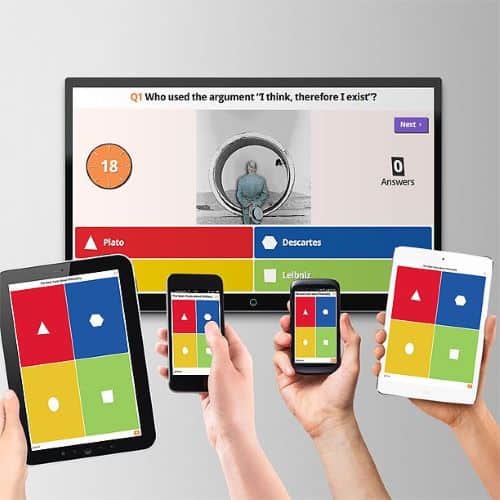
Gamified Learning Platforms: Platforms that turn learning into a game can be a great way to make studying enjoyable. Look for websites or apps that offer educational games, quizzes, and challenges.

Making Learning Fun through Creativity

Infusing creativity into study sessions can ignite curiosity and make learning more enjoyable. Consider the following strategies:

Exploring Interactive Study Materials

Hands-on experiences and interactive study materials can make learning more engaging. Here are some ideas:

Hands-on Experiments and Projects: Conduct science experiments or interactive projects related to your child’s subjects of study. This allows them to apply theoretical concepts in a practical and exciting way.

Visual Aids and Infographics: Utilize colorful visual aids, diagrams, and infographics to illustrate complex ideas. Visual representations can help children grasp and remember information more effectively.

Storytelling and Role-playing: Create narratives or encourage your child to imagine themselves in historical events or literary adventures. This helps bring lessons to life and sparks their imagination.

Incorporating Art and Crafts into Studying

Art and crafts can make studying a creative and enjoyable experience. Consider the following:

Creating Colorful Flashcards: Help your child create vibrant and visually appealing flashcards.

Use Bright Colors: Encourage your child to use a variety of vibrant colors when writing or drawing on the flashcards. Colorful visuals attract attention and make the information more memorable.

Add Images and Symbols: Instead of just writing words, incorporate relevant images or symbols on the flashcards. This visual representation helps reinforce the connection between the concept and its representation.

Make it Interactive: Add interactive elements to the flashcards, such as flaps or tabs that can be lifted to reveal additional information. This adds an element of surprise and makes studying more exciting.

Gamifying the Learning Experience

Turning studying into a game can make it highly enjoyable for 7-12 year olds. Consider these strategies to gamify the learning experience:

Introducing Educational Games and Quizzes

Engaging your child with educational games and quizzes can make studying feel like playtime. Here are some ideas:

Online Learning Platforms with Game-Based Quizzes: Explore educational websites or apps that offer game-based quizzes. These platforms often have interactive elements, rewards, and leaderboards that motivate children to learn and compete with others.

Board Games and Educational Card Games: Look for educational board games or card games that align with your child’s subjects of study. These games combine learning with entertainment, providing a fun way to review and reinforce concepts.

Incorporating Friendly Competitions and Rewards: Create friendly study competitions with siblings or friends. Set up challenges where they can earn points, badges, or small rewards for achieving milestones. This fosters healthy competition and makes learning more exciting.

Transforming Study Sessions into Challenges

Making study sessions more challenging can add an element of excitement and motivation. Here’s how you can turn studying into a series of challenges:

  1. Timed Quizzes and Races Against the Clock: Set up timed quizzes where your child has to answer questions within a specific time limit. This adds a sense of urgency and creates a thrilling atmosphere.
  2. Setting Achievable Goals and Milestones: Break down larger study goals into smaller, achievable milestones. Celebrate each milestone your child reaches, motivating them to progress further.
  3. Creating a Reward System for Accomplishments: Establish a reward system where your child earns points or tokens for completing tasks or achieving academic goals. They can exchange these points for small rewards or privileges, adding an extra incentive to study.

Fostering a Supportive Study Routine

Creating a supportive study routine helps establish consistency and reinforces the importance of learning. Consider the following strategies:

Establishing a Consistent Study Schedule

Consistency is key when it comes to studying. Establish a study schedule that suits your child’s needs and preferences. Here’s how:

  1. Setting Dedicated Study Time: Allocate a specific time each day for studying, ideally when your child is most alert and focused. This routine helps them develop a habit of regular studying.
  2. Balancing Study and Playtime: Ensure that there’s a balance between study time and leisure activities. Incorporate breaks and free time to avoid burnout and maintain enthusiasm for learning.
  3. Creating a Weekly Study Plan: Help your child create a weekly study plan that outlines what topics or subjects they will cover each day. This gives them a sense of structure and allows for effective time management.

Encouraging Parental Involvement and Support

Parental involvement and support play a crucial role in making studying enjoyable. Here’s how you can actively participate:

  • Engaging in Joint Study Sessions: Sit with your child during their study time, offering guidance and assistance when needed. Engaging in joint study sessions fosters a sense of collaboration and makes learning more enjoyable. 
  • Providing Guidance and Assistance: Offer support by explaining difficult concepts, answering questions, and providing additional resources or examples. Be patient and encouraging, creating a safe space for your child to ask for help.
  • Celebrating Achievements and Milestones: Recognize and celebrate your child’s academic accomplishments, no matter how small. This could be through verbal praise, rewards, or even a special treat or outing to acknowledge their efforts.
  • Creating a Positive Study Atmosphere: Foster a positive environment by maintaining a calm and peaceful atmosphere during study time. Minimize distractions, such as turning off electronic devices or creating a designated quiet space for focused learning.

FAQs

How do you motivate a lazy child to study?

Motivating a lazy child to study involves understanding their unique needs and finding strategies that work for them. One approach is to identify the root cause of their lack of motivation, such as difficulty understanding the material or feeling overwhelmed, and address these issues accordingly. Breaking study tasks into manageable chunks and celebrating small achievements along the way can help keep them motivated. Additionally, incorporating rewards and incentives, such as small treats or special activities they enjoy, can provide further motivation.

How can I make learning fun for my child?

Making learning fun for your child can be achieved through various engaging activities and interactive approaches. Hands-on activities and experiments allow them to explore concepts in a practical and exciting way. Utilizing educational videos and interactive online resources that align with their interests and subjects brings learning to life with engaging visuals and interactive elements. Infusing creativity and imagination by incorporating storytelling, role-playing, or imaginative scenarios can also enhance their learning experience.

How can I attract my child to study?

To attract your child to study, it’s essential to create an environment and activities that spark their interest and curiosity. Designing a visually appealing study space with colorful decorations, inspiring posters, or their favorite study materials can make the environment more inviting. Using colorful markers, stickers, or highlighters to make notes or flashcards visually engaging and incorporating pictures, diagrams, or symbols can enhance the appeal of study materials. Additionally, introducing game-based learning, educational quizzes, or friendly competitions can make studying a fun and interactive experience, adding excitement and motivation to their study sessions.

Conclusion: Ignite the Love for Learning!

By implementing creative and interactive strategies, you can transform studying into an enjoyable and exciting experience for 7-12 year olds. From creating an engaging study environment to infusing creativity and gamification, there are numerous ways to unlock the joy of learning in your child. Remember, every child is unique, so explore different methods and find what works best for them. With your support and the right approach, you can help your child develop a lifelong love for education and set them up for success. So, let’s embark on this learning adventure together!
Have a look at our Magical Birthday Parties for Kids!

Spread the word

Father’s Day 2023: Top Gift Ideas for Every Type of Dad

Father’s Day 2023: Top Gift Ideas for Every Type of Dad

Celebrating Dad in Style: Creative and Personalized Gifts for Father’s Day 2023

Elvine Assouline - Founder

Table of Contents

Introduction

Father’s Day 2023 is just around the corner, and it’s time to put on your thinking cap for the perfect gift. Whether it’s the first Father’s Day for the new dad in your life, or you’re searching for the best way to honor a step-dad, every father figure deserves a token of appreciation. To make your search easier, we’ve rounded up a list of top-notch gift ideas for every type of dad.

Understanding What Dads Want for Father's Day

The New Dad

The arrival of a little one is an exhilarating, sleep-depriving, life-changing event. So, when it comes to first Father’s Day gift ideas, consider something that commemorates his entry into fatherhood. A personalized photo album featuring precious moments with the baby, a custom-made keychain with the baby’s fingerprint, or even a baby handprint and footprint kit can serve as a beautiful reminder of this special time.

The New Dad

The Experienced Dad

For dads who have been in the game for a while, you might need to get a little more creative. Consider his hobbies or interests. If he’s a sports fan, how about tickets to his favourite team’s game? If he’s a bookworm, a limited edition of his favourite novel could be the perfect gift. Or, if he’s a lover of all things tech, the latest gadget might just make his day.

The Step-Dad

Step-dads often play a significant role in our lives, and Father’s Day is the perfect opportunity to show them your appreciation. When it comes to step-dad gifts, consider his personality and interests. If he’s into cooking, a high-quality chef’s knife or cooking class could be a hit. If he’s a music lover, consider a vinyl record of his favourite band. Remember, it’s the thought that counts.

The New Dad

Choosing Gifts for Dads of Different Age Groups

Dads in their 30s-40s

These dads are often in the throes of parenting young children or teenagers, balancing work, and personal life. For these busy bees, gifts that can help simplify their lives, or add a touch of fun and relaxation are often appreciated. Think about tech gadgets like smart home devices, high-quality headphones for those rare moments of peace, or an online cooking class to spice up family meals. Or, consider a virtual magic show to bring the whole family together for some fun.

Dads in their 40s-50s

Dads in this age group might be experiencing a bit of an empty nest syndrome or enjoying their prime career years. They might appreciate gifts that cater to their hobbies or interests, whether it’s a deluxe barbecue set for the grill master, a new golf club, or a subscription to a wine or craft beer club. For the dad who loves puzzles and challenges, consider booking a virtual escape room experience for him and his friends.

Dads in their 50s-60s

For older dads, sentimental gifts often hit the mark. Consider a personalized photo book filled with memories or a custom piece of artwork. They might also enjoy experiences rather than material gifts, such as a gourmet cooking class, a guided fishing trip, or a subscription to a book or music club. For a unique gift, consider a virtual Santa visit for him and his grandchildren — it’s never too early to start thinking about Christmas!

Making Father's Day Extra Special

The Most Popular Gifts on Father's Day

It’s always good to know what’s trending. For Father’s Day, some of the most popular gifts include personalized items, such as engraved wallets or custom-made cufflinks. High-quality tools for DIY dads, gourmet food hampers for foodie fathers, and experience gifts, like hot air balloon rides or cooking classes, are also popular.

DIY Father's Day Gifts

Adding a personal touch to your gift can make it even more special. Consider crafting a DIY gift like a homemade card, a photo collage, or even a custom-made video message. Check out these DIY ideas from The Fun Master’s DIY Father’s Day gift service for some inspiration.

FAQs

What does every dad want for Father's Day?

While each dad is unique, most appreciate heartfelt gestures and quality time with their family. Even a simple breakfast in bed or a hand-drawn card from the kids can make the day special. If you want to go the extra mile, consider planning an activity based on his interests, such as a family game night or a backyard barbecue.

Traditional gifts like neckties and socks are always popular, but many dads also appreciate more personalized presents. Consider gifts that align with his hobbies or interests, from cooking gear for the culinary-inclined dad to sports memorabilia for the sports fan. When in doubt, a heartfelt note expressing your appreciation can be the most meaningful gift of all.

What is the best surprise for Father's Day?

Surprises that involve quality time and shared experiences often make the best gifts. This could be as simple as a surprise picnic in the park or as elaborate as a surprise party with close friends and family. For a really fun surprise, consider hiring a magician for a magical birthday party or a Rubik’s Cube workshop with Mikael Taieb.

How do I make Father's Day extra special?

Making Father’s Day extra special often involves going the extra mile to show your appreciation. This might involve cooking his favorite meal, planning a fun family outing, or surprising him with a gift that shows you know and appreciate his interests. To create lasting memories, consider organizing a special event like a family day full of games and activities.

What should I do for my first father's day?

For your first Father’s Day, it’s all about celebrating the new journey of fatherhood. This could be as simple as spending quality time with your baby or as grand as a family photoshoot. Alternatively, you could treat yourself to a new dad survival kit or a special piece of jewelry marking this milestone. Don’t forget to take a moment to reflect on the joy and challenges of becoming a father – it’s a journey worth celebrating!

In Conclusion: Celebrating Dad in Style

Father’s Day is about more than just gifts — it’s about showing the fathers and father figures in your life how much you appreciate them. Whether it’s with a heartfelt letter, a DIY craft, or a thoughtful present, the most important thing is to make them feel loved and appreciated.

So, as we gear up for Father’s Day 2023, let’s not forget the real reason we celebrate this day: to honor the fathers in our lives who have been our pillars of strength, our fountains of wisdom, and our biggest cheerleaders. This Father’s Day, let’s toast to the dads — new dads, experienced dads, step-dads and all — for everything they do for us.

Happy Father’s Day!

Remember, The Fun Master is here to help you celebrate all your special occasions. Check out our services and blog for more celebration ideas and inspiration.

Spread the word

From Fantasy to Adventure: Top Summer Reads for Kids

From Fantasy to Adventure: Top Summer Reads for Kids

Elvine Assouline - Founder

Table of Contents

Introduction

As the final school bell rings and summer vacation kicks off, children’s imaginations run wild with the infinite possibilities that the upcoming months hold. Among beach trips, bike rides, and summer camps, one adventure often overlooked is the journey that reading can provide. Diving into a summer reading list for kids can open up worlds of fantasy, mystery, and learning, ensuring that their minds stay active while school’s out.

What's on the List: Top Kids Books 2023

Books for 4 to 6-year-olds

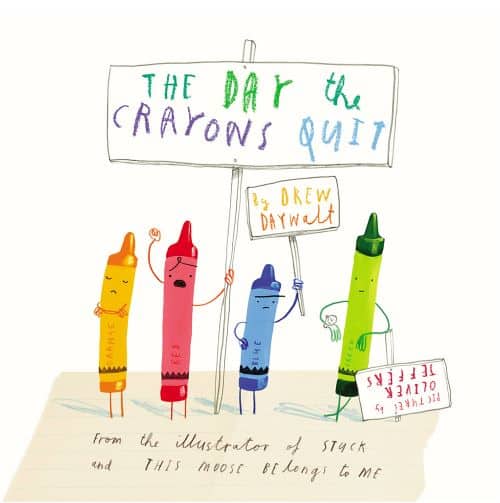
“The Day the Crayons Quit” by Drew Daywalt: This clever and colorful book is about a group of crayons that decide they’ve had enough!

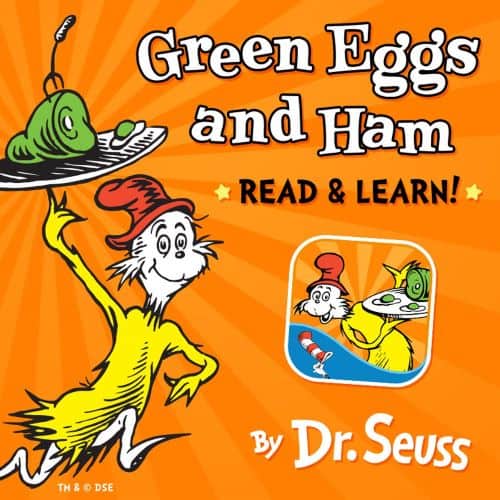
“Green Eggs and Ham” by Dr. Seuss: This classic Dr. Seuss story is a fun and engaging read for children just starting to read independently.

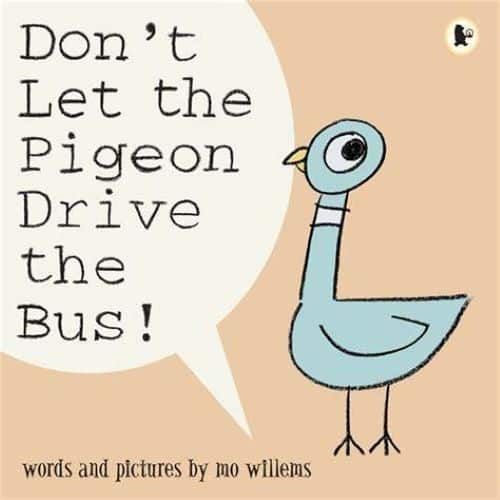
“Don’t Let the Pigeon Drive the Bus!” by Mo Willems: This hilarious and interactive book is a firm favorite among young readers.

“The Princess in Black” by Shannon Hale: This chapter book series features a princess who’s also a superhero, providing an exciting adventure story for young readers.

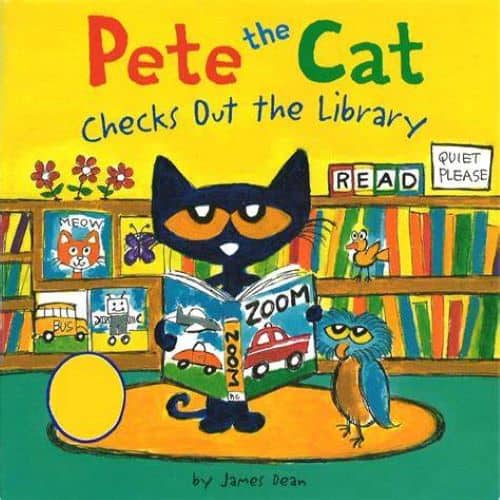
Pete the Cat: Rocking in My School Shoes” by Eric Litwin: This rhythmic, musical book follows Pete the Cat on his first day of school.

Books for 7 to 9-year-olds

“Diary of a Wimpy Kid” by Jeff Kinney: This book series, filled with humor and cartoons, is a great transition for children moving into middle-grade books.

“The Magic Tree House” series by Mary Pope Osborne: These books take readers on thrilling adventures through time.

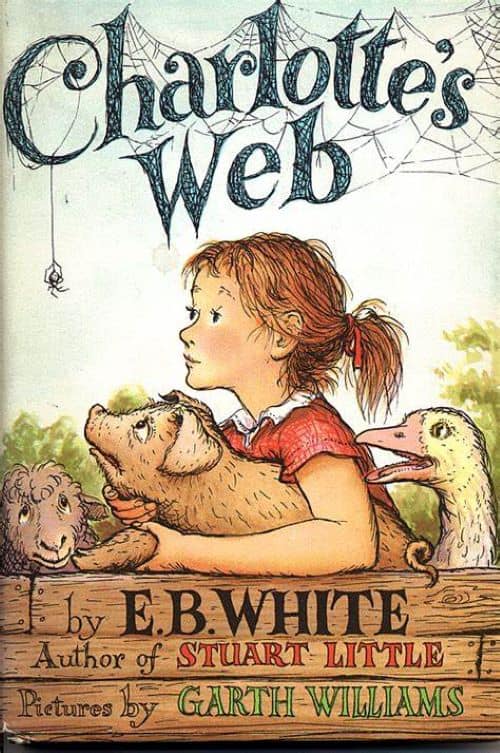
“Charlotte’s Web” by E.B. White: This classic tale of friendship between a pig and a spider is a must-read.

“Harry Potter and the Sorcerer’s Stone” by J.K. Rowling: The first book in the Harry Potter series introduces young readers to a magical world.

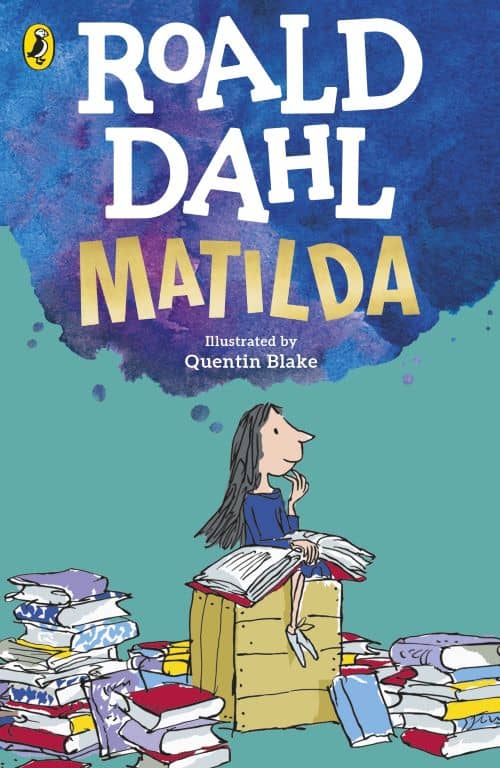
“Matilda” by Roald Dahl: This story of a gifted girl with horrible parents and a tyrannical headmistress is both hilarious and empowering.

Books for 10 to 12-year-olds

“Percy Jackson & The Olympians” series by Rick Riordan: These books are perfect for children who love adventure and Greek mythology.

“Wonder” by R.J. Palacio: This moving book teaches lessons about kindness, acceptance, and the power of friendship.

“The Hunger Games” by Suzanne Collins: This thrilling dystopian series is ideal for older children ready for more complex themes.

“A Wrinkle in Time” by Madeleine L’Engle: This classic science fiction novel takes readers on a journey through time and space.

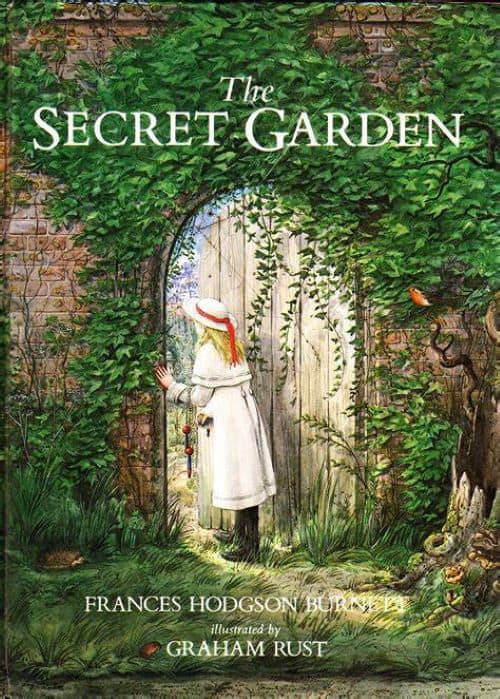
“The Secret Garden” by Frances Hodgson Burnett: This timeless novel explores themes of friendship, exploration, and the healing power of nature.

Books for 14 and up

The Fault in Our Stars” by John Green: This emotional and touching novel explores the love story of two teenagers who meet in a cancer support group.

“To Kill a Mockingbird” by Harper Lee: This classic coming-of-age story delves into themes of morality, justice, and prejudice.

“The Book Thief” by Markus Zusak: Set during World War II, this poignant story is narrated by Death and follows a young girl’s relationship with books.

“Divergent” by Veronica Roth: This gripping dystopian novel is perfect for fans of “The Hunger Games.”

“The Maze Runner” by James Dashner: This thrilling series takes readers into a post-apocalyptic world where a group of teenagers must navigate a deadly maze.

Why Summer Reading is Essential

Beyond being an entertaining pastime, diving into Kids’ Summer Reads has numerous benefits. It helps to prevent the ‘summer slide’ – the learning loss that can occur when school is out. Reading also improves vocabulary, fosters empathy, and promotes deeper understanding of the world. Most importantly, it can instill a lifelong love for reading and learning.

FAQs

What is the most read children's book?

It’s hard to pinpoint one book as the most read, but “The Very Hungry Caterpillar” by Eric Carle is one of the most popular children’s books worldwide.

Should kids read in the summer?

Absolutely! Summer reading keeps kids’ minds active, expands their knowledge, and enhances their creativity.

What age is summer reading for?

Summer reading is for all ages! From picture books for toddlers to complex novels for teens, there’s always something suitable for every age.

What books do kids read in reception?

Reception-age kids typically read picture books and beginner-level chapter books. Titles like “The Gruffalo” by Julia Donaldson and “Green Eggs and Ham” by Dr. Seuss are popular choices.

Fun Reading Ideas for Kids

To make reading more engaging, try these Fun Reading Ideas for Kids:

  1. Create a Reading Nook: Make a cozy corner in your house dedicated to reading. Fill it with pillows, blankets, and, of course, books.
  2. Start a Book Club: Gather a group of your child’s friends and host a weekly book club. It’s a great way for them to share their thoughts and opinions about the books they’re reading.
  3. Themed Reading Days: Choose a book and create a day around it. For instance, if you’re reading “Harry Potter,” you could make homemade wands, brew some non-alcoholic butterbeer, and have your own mini Quidditch game in the backyard.
  4. Bedtime Stories Online: There are numerous resources for online bedtime stories. It’s a wonderful way to wind down at the end of a long summer day. Websites like Storyline Online and Vooks provide animated readings of popular children’s books.
  5. Writing Inspired by Reading: After finishing a book, encourage your child to write a story inspired by what they’ve read. It could be a sequel, a prequel, or a new adventure for their favorite character.
  6. Library Visits: Regular visits to your local library can be a fun outing. Most libraries also run summer reading programs with rewards that can motivate your child to read more.
  7. Book-Related Crafts: After finishing a book, your child could do a craft related to the story. For instance, if they’ve just read “The Very Hungry Caterpillar,” they could make their own caterpillar with pom-poms and craft paper.

Conclusion: Dive into Adventure!

With this comprehensive Summer Reading List for Kids, your children are all set for a season full of fascinating tales and imaginary adventures. From fantastical realms to real-world mysteries, these books promise to transport young readers to different worlds and broaden their horizons, all while having fun. So, let’s turn off the screens, pick up a book, and dive into adventure!

Remember, at The Fun Master, we believe in fostering creativity, learning, and fun in all forms, whether it’s through our engaging events or by promoting the joy of reading. Check out our Magical birthday parties and our Mathematician Show by Mikael Taieb, both of which aim to provide unique, educational entertainment that goes hand-in-hand with the imaginative journey of reading.

Happy summer reading, everyone!

Spread the word

Creative Ideas for Family Day at the Office: Combining Work and Play for a Successful Event

Creative Ideas for Family Day at the Office: Combining Work and Play for a Successful Event

Elvine Assouline - Founder

In today’s fast-paced work environment, fostering a strong company culture and promoting a healthy work-life balance is crucial. One way companies can achieve this is by hosting a Family Day at work. These events not only demonstrate a commitment to a kid-friendly office but also help employees bond and build lasting relationships. In this article, we will explore creative ideas for a successful Family Day at the office.

What is a Family Day?

A Family Day is a special event organized by companies to encourage employees to bring their families to the workplace. The purpose of this event is to foster a sense of community and connection between employees, their families, and the organization. It’s an opportunity for families to get a glimpse into the work environment and for employees to share their professional lives with their loved ones. Family Day typically includes a variety of engaging activities, games, and entertainment for people of all ages, creating a fun and memorable experience for everyone involved.

The Power of Play: Integrating Fun Activities in the Workplace

  1. Work and play balance: Encouraging a healthy balance between work and play can boost employee morale and productivity. Fun activities during Family Day can help foster this balance.
  2. Ideas for engaging games and activities: Organize age appropriate games, such as treasure hunts, board games, and interactive workshops to keep kids and parents entertained.
  3. Benefits of incorporating playtime in the office: Playtime allows employees to unwind, connect with their families, and build stronger relationships with colleagues.

Planning a Successful Office Family Day

  1. Setting the date and time: Choose a date that works best for the majority of employees and consider hosting the event during regular working hours to encourage maximum participation.
  2. Selecting age-appropriate activities: Plan activities that cater to various age groups, ensuring everyone can join in the fun.
  3. Ensuring a family-friendly workplace environment: Make sure your office space is safe and welcoming for children by setting up designated play areas and providing child-friendly refreshments.

Creative Family Day Activity Ideas

  1. Interactive workshops: Offer workshops where kids and parents can learn new skills together, such as painting or cooking.
  2. Talent shows: Encourage families to showcase their unique talents, whether it’s singing, dancing, or playing a musical instrument.
  3. Art and craft stations: Set up stations for children to create their own masterpieces with paint, clay, or other materials.
  4. Scavenger hunts: Organize a scavenger hunt around the office, with clues and challenges for families to solve together.
  5. Team-building exercises for parents and kids: Plan team-building activities that encourage collaboration and communication between family members.
  6. Educational and fun demonstrations, like Mathematician Show by Mikael Taieb: Entertain and educate with engaging shows that appeal to children and adults alike.

Ensuring a Safe and Enjoyable Experience

  1. Child safety and supervision: Ensure adequate supervision is provided for all activities and designate a safe area for children to play.
  2. Allergy and dietary considerations: Offer a variety of refreshments that cater to different dietary needs and allergies.
  3. Accessibility and inclusivity: Make sure your event is accessible for all and promotes a welcoming, inclusive atmosphere.

FAQs

How do you celebrate Family Day in the office?

Celebrate Family Day in the office by organizing a range of engaging activities that cater to different age groups and interests. Make sure to include a mix of educational, entertaining, and team-building activities to create a memorable event for employees and their families.

How do you host fun activities in the office?

Host fun activities in
the office by choosing a theme, setting up designated activity areas,
and providing clear instructions for each activity. Consider offering a
variety of activities to cater to different interests and age groups, and ensure there is adequate space and supervision for all attendees.

What activities can you do in a happy office?
In a happy office, you can organize team-building exercises, creative workshops, recreational games, and educational activities that encourage collaboration and camaraderie among employees.
Is it appropriate to bring your kids to work?

It is appropriate to bring your kids to work during designated events like Family Day, where the workplace environment is tailored to accommodate children and their families.

What is the purpose of take our kids to work day?

The purpose of Take Our Kids to Work Day is to provide children with an opportunity to explore various career paths and gain a better understanding of their parents’ work environment. This event also fosters connections
between employees and their families, promoting a sense of community within the workplace.

Making the Most of Your Company's Family Day

Organizing a successful Family Day at the office requires careful planning, creativity, and a focus on safety and inclusivity. By incorporating fun activities, team-building exercises, and a welcoming atmosphere, you can create an unforgettable event that strengthens your company culture and promotes a healthy work-life balance. For more ideas and inspiration on how to make your Family Day at the office a memorable event, check out The Fun Master’s Family Day page. From magical birthday parties to engaging workshops, The Fun Master offers a variety of services and solutions to make your next company event a hit.

Spread the word

10 Exciting Outdoor Family Activities for Kids in Toronto, 2023

Top 10 Must-Experience Outdoor Adventures for Kids in Toronto in
Top 10 Must-Experience Outdoor Adventures for Kids in Toronto in 2023

Elvine Assouline - Founder

Table of Contents

Introduction

There’s nothing quite like the excitement of exploring the great outdoors, especially for kids. Spending time outside is not only fun but essential for children’s physical and mental development. Toronto is a bustling city with countless outdoor adventures just waiting to be discovered. In this article, we’ll take you through the top 10 must-experience outdoor activities for kids in Toronto in 2023.

The Ultimate List of Outdoor Adventures in Toronto for 2023

1. Sugar Beach Toronto: A Sweet Escape for Families

Located at the foot of Lower Jarvis Street, Sugar Beach is a unique urban beach that offers a sandy oasis for families. With its iconic pink umbrellas and sugar factory backdrop, this picturesque spot is perfect for building sandcastles, splashing in the water, or enjoying a picnic. Nearby attractions include the Redpath Sugar Museum and the Toronto Harbourfront.

Location: Sugar Beach, Downtown Toronto, ON

2. High Park Adventure Playground: Fun and Imaginative Play

Located at the foot of Lower Jarvis Street, Sugar Beach is a unique urban beach that offers a sandy oasis for families. With its iconic pink umbrellas and sugar factory backdrop, this picturesque spot is perfect for building sandcastles, splashing in the water, or enjoying a picnic. Nearby attractions include the Redpath Sugar Museum and the Toronto Harbourfront.

Location: High Park, 1873 Bloor St W, Toronto, ON M6R 2Z3

3. Toronto Islands: A Quick Getaway Filled with Activities

A short ferry ride from downtown Toronto takes you to the beautiful Toronto Islands, a group of islands offering a variety of activities for kids and families. Explore Centre Island’s amusement park, splash in the waves at Ward’s Island Beach, or rent a bike and ride along the scenic pathways. The islands are perfect for a day of adventure or a relaxing weekend getaway.

Location: Toronto Islands, St Lawrence-East Bayfront-The Islands, ON

4. Evergreen Brick Works: Nature Exploration and Outdoor Fun

This former brick factory turned environmental community centre is a fantastic place for kids to connect with nature. Evergreen Brick Works offers a range of activities, including hiking and biking trails, nature- based play areas, and educational workshops. Be sure to check theircalendar for special events and seasonal programming.

Location: 550 Bayview Ave, Toronto, ON M4W 3X8

5. Riverdale Farm: Connecting Kids with Farm Life in the City

Nestled in the heart of Cabbagetown, Riverdale Farm is a hidden gem where city kids can experience farm life. This 7.5-acre farm is home to various farm animals, including cows, sheep, goats, and pigs. Attend one of their educational programs to learn more about farming and agriculture, or simply enjoy a leisurely stroll through the picturesque grounds.

Location: 201 Winchester St, Toronto, ON M4X 1B8

6. Bluffers Park and Beach: Stunning Cliffs and Sandy Shores

Located at the base of the Scarborough Bluffs, Bluffers Park and Beach is a picturesque spot for a day of sun and sand. Enjoy the soft, sandy beach, go for a swim, or rent a kayak to explore the shoreline. With its
stunning cliffs and beautiful views of Lake Ontario, this park is a must- visit destination for families.

Location: Bluffer’s Park Beach, Toronto, ON

7. Rouge National Urban Park: The Perfect Outdoor Oasis

As Canada’s first national urban park, Rouge National Urban Park offers a diverse landscape of forests, meadows, and wetlands. Explore over 12km of hiking and nature trails, participate in educational programs,
or simply enjoy a peaceful picnic. The park is also home to a variety of wildlife, including deer, coyotes, and over 225 species of birds.

Location: Zoo Rd, Toronto, ON L6B 1A8

8. Treetop Trekking: A Thrilling Aerial Adventure

For a truly unique outdoor experience, head to Treetop Trekking, where kids can climb, swing, and zip through the trees on a variety of aerial courses. With options for different age groups and skill levels, this thrilling adventure park is perfect for kids and adults alike. Treetop Trekking is a great way to challenge oneself, build confidence, and create lasting memories.

Location: 3291 Stouffville Rd, Whitchurch-Stouffville, ON L4A 3W9

9. Kortright Centre for Conservation: Outdoor Education and Exploration

The Kortright Centre for Conservation is an ideal destination for families looking to learn about the environment and explore the great outdoors. This 325-hectare conservation area offers a variety of programs and workshops, such as nature hikes, birdwatching, and eco-adventures. Wander through the peaceful forests, wetlands, and meadows, and be sure to visit the Earth Rangers Centre to learn more about local wildlife and conservation efforts.

Location: 9550 Pine Valley Dr, Woodbridge, ON L4L 1A6

10. Splash Pads and Water Playgrounds: Cool Off in the Summer Heat

Toronto is home to numerous splash pads and water playgrounds where kids can cool off during the hot summer months. Some popular locations include Corktown Common, Dufferin Grove Park, and the Regent Park Aquatic Centre. These water play areas are a great way for kids to have fun, socialize, and stay active during the warmer months

Location: 155 Bayview Ave, Toronto, ON M5A 0G4

FAQs

What outdoor activities would you do with children?

Some
outdoor activities for kids in Toronto include visiting urban beaches,
exploring parks and nature reserves, participating in adventure sports
like Treetop Trekking, or enjoying splash pads and water playgrounds.

What are some fun outdoor activities for kids free?

Many free
outdoor activities for kids in Toronto include visiting public parks like
High Park and Riverdale Farm, enjoying splash pads and water
playgrounds, or hiking through conservation areas such as Rouge
National Urban Park.

Where can I take my kids for fun in Ontario?

Apart from Toronto,
there are many other destinations in Ontario for kids’ fun, such as
Niagara Falls, Algonquin Provincial Park, Muskoka, and the Thousand
Islands.

Where can I take my kids downtown Toronto?

In downtown
Toronto, you can take your kids to Sugar Beach, the Toronto Islands,
the Harbourfront Centre, or the various parks, splash pads, and
playgrounds in the area.

Make Your Child's Outdoor Adventure Extra Special with The Fun Master

Toronto offers a wealth of outdoor adventures for kids, but why not take it to the next level by hosting a magical birthday party at one of these beautiful outdoor locations? The Fun Master specializes in organizing unforgettable birthday parties for kids, complete with entertainment, games, and activities
tailored to your child’s interests. Check out our Magical Birthday Party for more information. 

And if you’re looking for a unique and engaging activity for your child’s party, consider our Rubik’s Cube and Pixel Art Show by Mathematician Mikael Taieb. This interactive show will captivate and entertain your guests, making your child’s special day truly memorable. 

Don’t miss the opportunity to create lasting memories with your kids by exploring At The Fun Master, we believe that every child deserves a unique and unforgettable experience, which is why we offer our Pixel Art Show and At-Home Escape Game as bonus experiences for kids. We hope this guide has inspired you to explore all that Toronto has to offer and create unforgettable memories with your family. So why wait? Start planning your next adventure in Toronto today!

Spread the word